Zum Schwarzen Kameel
A Culinary Institution Since 1618
1. Identity & Presence
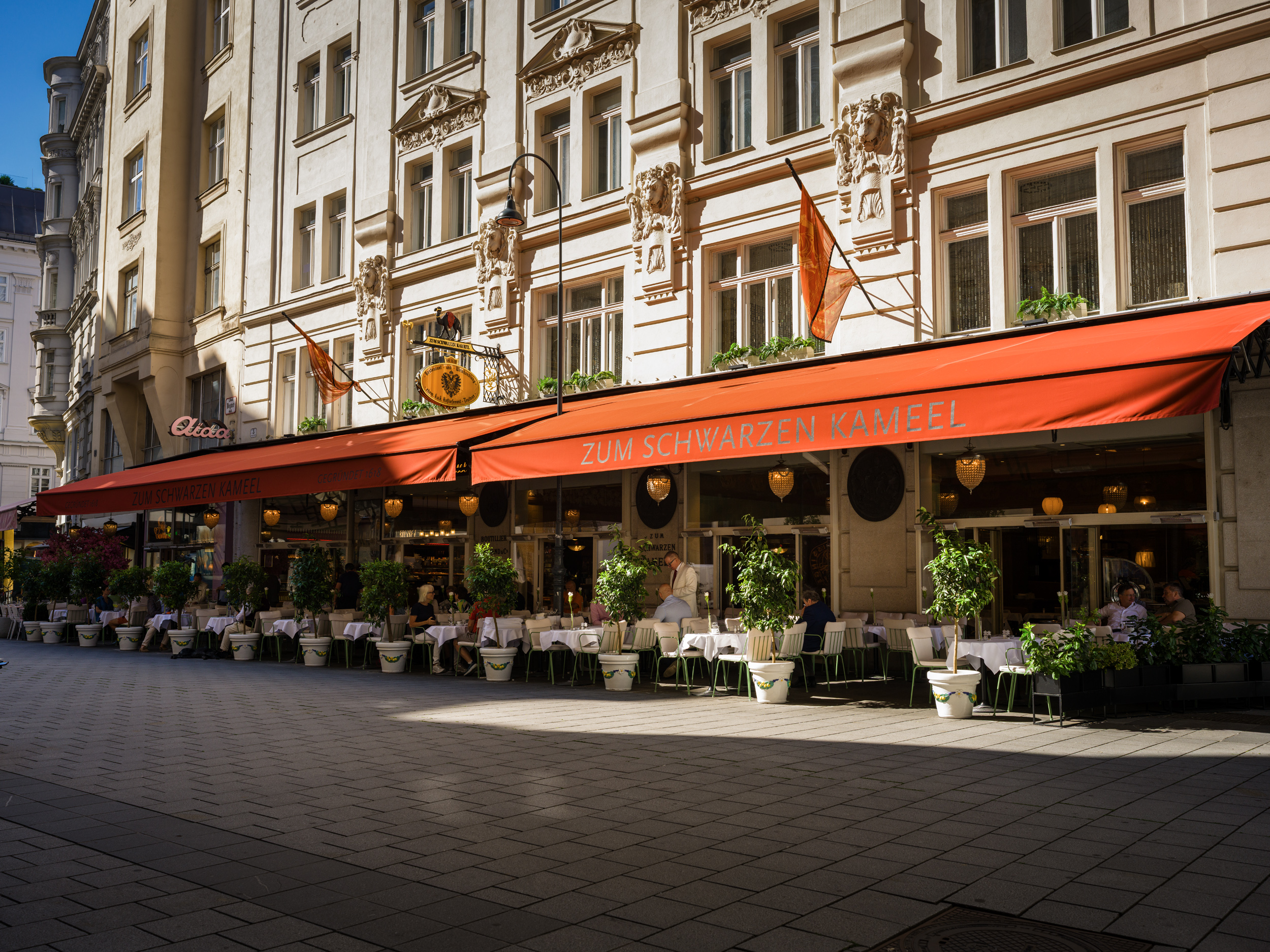
Zum Schwarzen Kameel is a legendary Viennese culinary institution that has existed at the same location for over 400 years. It is a unique hybrid of a delicatessen, a wine bar, a café, a legendary sandwich buffet, a brasserie, and an elegant restaurant. Located at Bognergasse 5, 1010 Vienna, the establishment is currently managed by the Friese family, who have steered the business for two generations. Celebrating its deep roots in Viennese social life, the "Kameel" is known for its low-threshold openness, where high-level managers and stage stars stand alongside local workers, all enjoying the same high-standard "Art of Living." Their primary contact is +43 1 533 81 25 or info@kameel.at, and their online presence is www.kameel.at.
 Zum Schwarzen Kameel on Instagram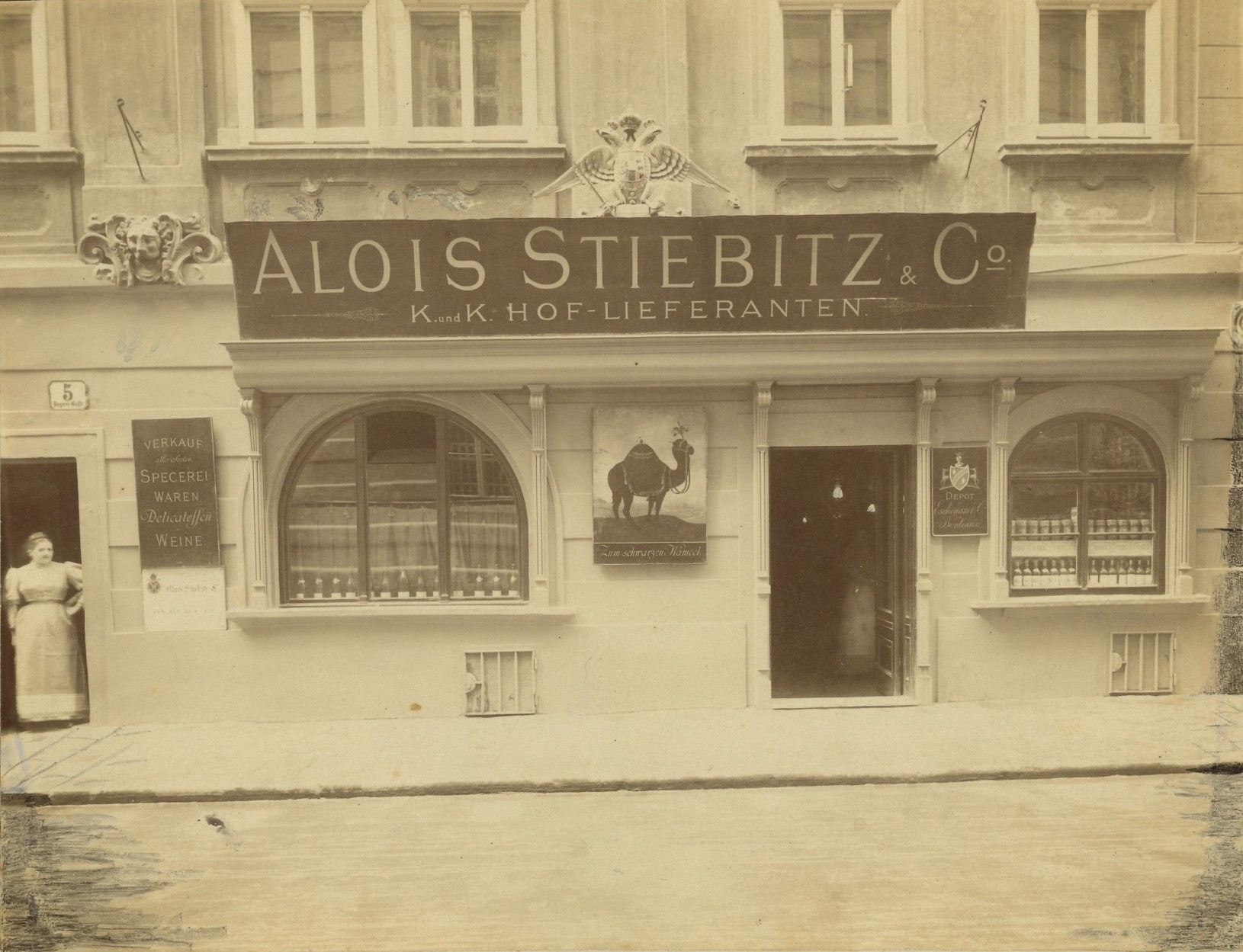
2. The Origin Story & Historical Milestones
The history of the house begins in 1618, when Johan Baptist Cameel acquired the already tradition-steeped building on Bognergasse. He established a spice shop (Gewürzkrämerei) and, in a play on his surname, named the business "Zum Schwarzen Kameel" (At the Black Camel).
- 19th Century Expansion: Two centuries later, Joseph Stiebitz took over the business. He expanded the spice shop into an exquisite delicatessen and added a wine tavern. Under his leadership, the establishment was appointed as an Imperial Court Supplier (k.u.k. Hoflieferant) in 1825.
- A Magnet for Genius: During this era, the house became a sanctuary for Vienna's cultural elite. The painter Georg Ferdinand Waldmüller (who designed the logo still used today) was a regular, as were composers Friedrich August Kanne and Ludwig van Beethoven, who famously frequented the house to indulge in culinary pleasures.
- The Jugendstil Transformation: In 1901, the original building was replaced with a new structure, at which time the establishment received its breathtaking Jugendstil (Art Nouveau) interior. This decor has been meticulously preserved and remains a total work of art (Gesamtkunstwerk) to this day.
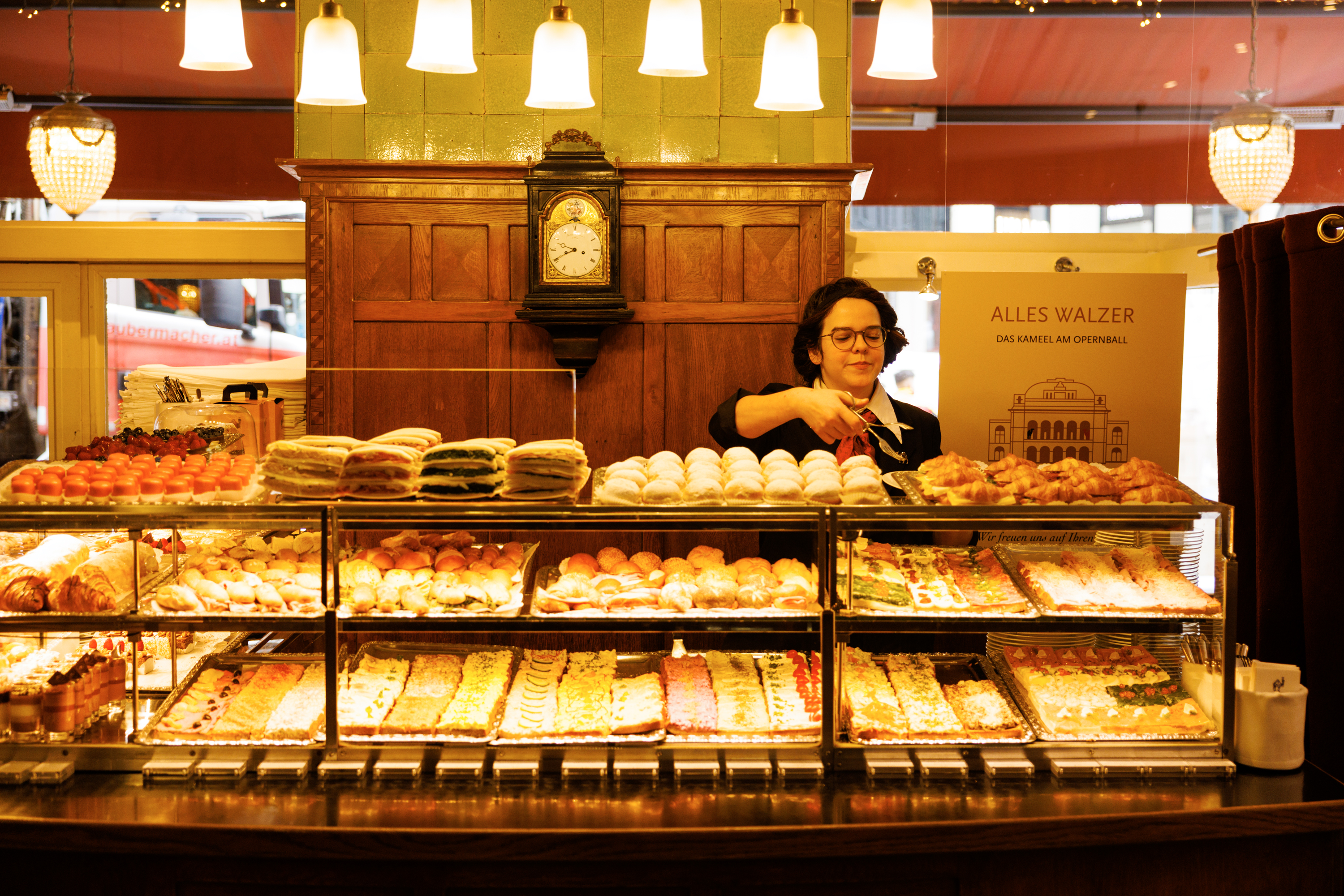
- The Friese Era: In the late 1950s, the Friese family took over. During the post-war period, Peter Friese’s mother was particularly inventive; due to food shortages, she created simple but high-quality black bread sandwiches. This gave birth to the now-legendary Sandwich-Vitrine, which remains a cornerstone of the establishment's identity.
3. The Core of the Craft
The philosophy of Zum Schwarzen Kameel is centered on "The rich tradition of stylish enjoyment," realized through a multi-faceted world of pleasure.
- The World-Famous Sandwich Buffet: The "Kameel" is synonymous with its open-faced sandwiches. While the hand-carved "Beinschinken" (leg ham) with freshly grated horseradish (Kren) is the icon, the variety spans dozens of classics, including egg salad, red herring (Matjes), spiced roast beef, and the colorful beetroot with horseradish.
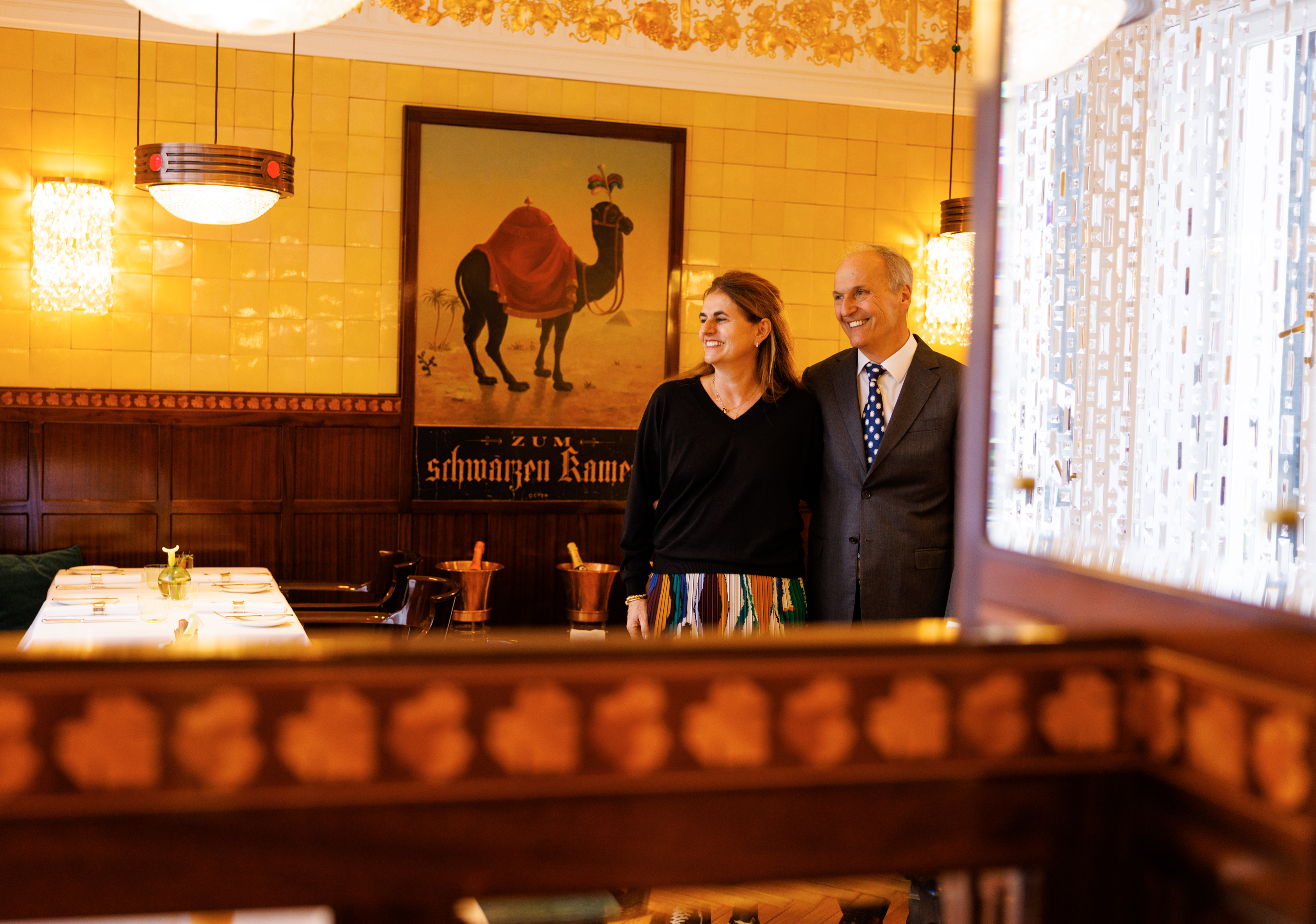
- The Architectural Heritage: The 1901 interior is a masterpiece of craftsmanship. The rooms are defined by high-quality mahogany woodwork, ornate marble surfaces, and artistic tiles, creating an atmosphere that bridges the gap between a historic museum and a vibrant modern bar.
- The Schanigarten Culture: Located in the heart of the pedestrian zone near the Goldenes Quartier, the establishment's outdoor seating area (Schanigarten) is the ultimate stage for Vienna's "seeing and being seen" culture, where the city's pulse is most palpable.
- The "Kameel-Welt" (Camel World): The craft extends to curated own-brand products. This includes a selection of private-label wines from top Austrian vineyards, a signature Kameel Gin, and high-quality olive oils, vinegars, and hand-wrapped pralines, all continuing the spice-trading legacy of the 17th century.
- • The Wine Cellar: Connoisseurs can find "liquid treasures" in three ancient underground stories, with some cellar bricks dating back to the Roman camp of Vindobona.
4. Enduring Legacy & Resilience
The "Kameel" has survived centuries of political and social change by maintaining its character as a "living room" for the city. Its resilience is rooted in its ability to balance elitist elegance with a welcoming, egalitarian atmosphere. Whether in a suit or a T-shirt, guests come for the atmosphere of "Seeing and being seen," a tradition that has remained unchanged from the era of horse-drawn carriages to the modern day. The establishment remains a guardian of the "Viennese Soul," proving that true quality and a sense of hospitality never go out of style.
5. Vision for the Future
Under the leadership of Peter Friese, the vision is to preserve the "Gesamtkunstwerk" while subtly adapting to the needs of the modern guest.
- The Beletage: The recent addition of the "Beletage" restaurant on the first floor expands the culinary offering while maintaining the historic intimacy of the house.
- Digital Integration: While the interior remains frozen in 1901, the business has successfully embraced the future with an extensive online shop, allowing customers worldwide to order a piece of Viennese tradition.
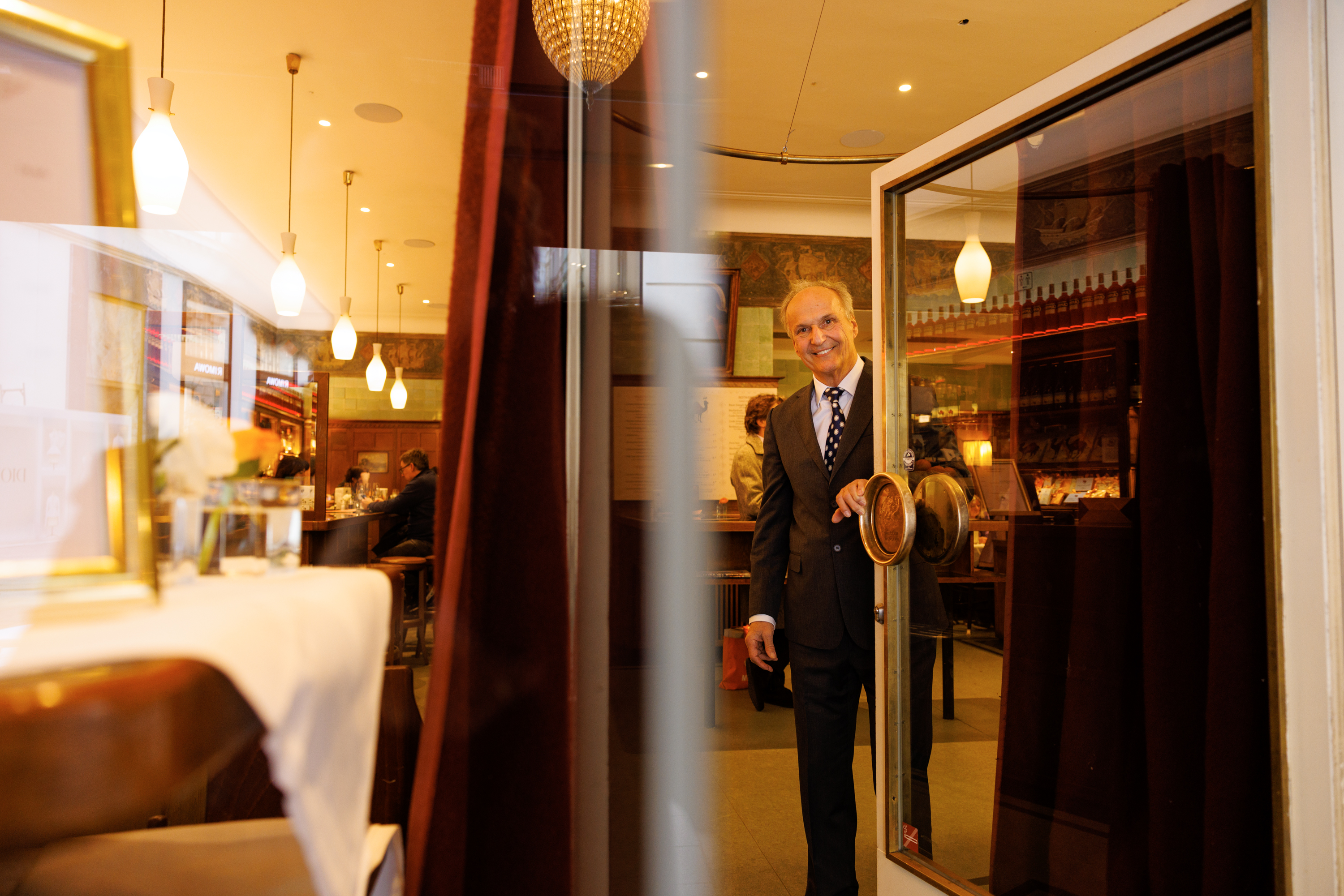
- Generation Thinking: The business remains a family-led enterprise, ensuring that the personal touch - where the owner is often seen greeting guests personally - remains the heartbeat of the Bognergasse 5 location.