Vienna: History of Craftsmanship
Continuity, not nostalgia
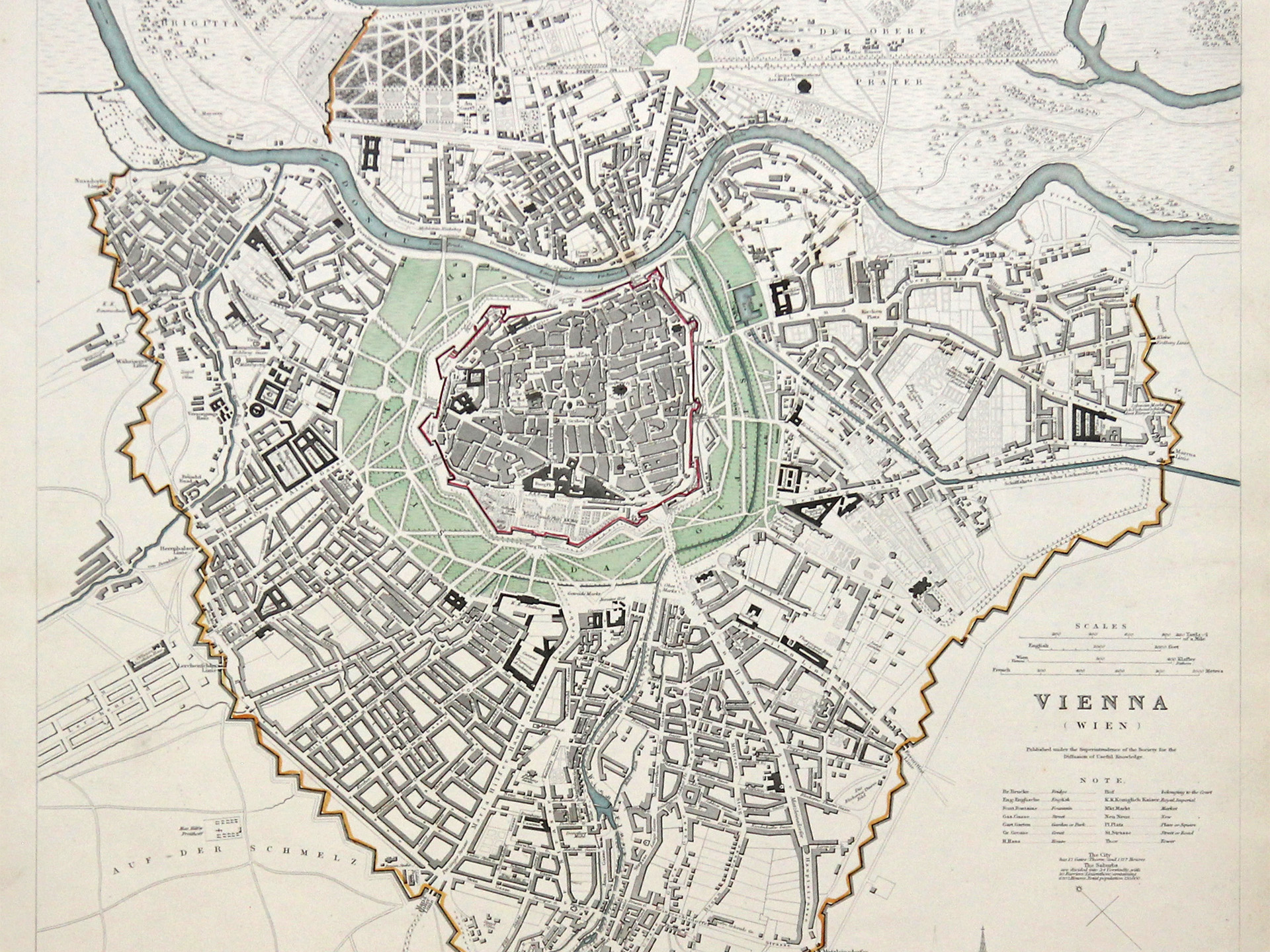
Craftsmanship in Vienna is not a chapter of the past. It is a continuous practice, refined, adapted, and carried forward across centuries. As Vienna developed into an imperial center, it built not only political power but systems of making. Workshops, family enterprises, and skilled trades became part of everyday life. Knowledge passed from hand to hand, generation to generation, shaped by discipline, responsibility, and pride in the work.
What distinguished Vienna early on was structure. Craft was not left to chance. Quality standards, apprenticeships, and mastery were protected through formal systems long before industrialization. To become a master required time, repetition, and proof. The Meisterstück was not status, but demonstration of readiness.
Vienna did not abandon craftsmanship in the face of change. It adapted while maintaining integrity. Even as industrial production expanded, specialization and excellence were preserved through institutions, workshops, and education that protected material understanding, form, and intent.
This lineage continues today in workshops, companies, and cultural institutions that treat craftsmanship as responsibility rather than trend. This continuity forms the foundation of Bespoke Vienna: not the past preserved, but the past in practice as a living system that still offers orientation, depth, and human presence.